

Every January, the National Coffee Association drops their National Coffee Data Trends report, a massive deep-dive into how Americans are drinking coffee. And every year (well, moving forward, hopefully), we dig through it looking for the data points that actually matter to people who care about making good coffee at home.
This year’s report? It’s full of validation for everything we’ve been saying here at LKCS in recent years. The third wave is alive and well. Dark roast is out. Cold brew isn’t seasonal anymore. And people are finally figuring out that home brewing isn’t just cheaper… it’s better.
So grab your favorite coffee mug (we prefer double-walled glass mugs), and let’s break down what’s actually happening in American coffee culture right now.
TL;DR
Millennials, Gen Z, and multicultural audiences are driving nearly every major shift in the category. Other highlights include:
- Specialty coffee is now the default, not the niche: More than half of Americans are drinking it weekly — the “third wave” is now the baseline.
- Home brewing has won. Nearly 3 in 4 specialty drinkers are making coffee at home. Coffee shop visits are shifting from daily habit to occasional treat.
- Cold brew is no longer seasonal. It’s become a convenience-first format that fits daily routines year-round, and the Toddy Cold Brew system makes that reality easy to access.
- Flavor > purity: Sweeteners, syrups, and customization are surging, especially with younger drinkers.
- Dark roast is losing relevance: Medium (and lighter) roasts are taking over as people prioritize origin and flavor clarity over roast intensity.
- Convenience still matters — but quality now has to keep up: Drip machines are resurging, single-serve is declining, and people expect both ease and good taste. Here are the best instant coffees for coffee snobs.
- RTD and functional coffee are the next growth engines: Canned coffee, protein coffee, and additive-based drinks are expanding what “coffee” even means.
1. Specialty coffee is having a moment (still)
55% of Americans drank specialty coffee in the past week as of January 2025. That’s up 6 percentage points since 2020.
We’re glad to see more people ditching their sad drip coffee for actual good stuff. We’re still riding the third wave, and you’re invited, folks.

2. Cold brew isn’t just a summer thing anymore
17% of people had a non-espresso-based cold coffee beverage (think cold brew, frozen blended, nitro) yesterday — even in January. Winter cold brew drinkers are real, and they’re not going anywhere. The year-round appeal is undeniable.
Why? Our guess is because it’s convenient. You make a batch with something like our beloved Toddy, stick it in the fridge, and you’ve got coffee ready to go for days. No heating water, no waiting for a pour-over to finish, no standing over a Hario V60 at 6 a.m. when you’re barely awake.
You just pour, dilute (most cold brew is made as a concentrate), and drink. You can even gift cold brew to friends if you’re feeling generous.
3. We’re all making sweeter coffee now
60% of specialty coffee drinkers added sweetener or syrup to their coffee yesterday (up from 47% in 2023). White sugar use jumped from 20% to 35%.
The ridiculously long lines at the new 7 Brew and Dutch Bros in town make me a believer in this trend.
That said, this isn’t just about dumping sugar in your cup; it’s part of a much bigger movement. According to Future Market Insights, the coffee syrup market was valued at $7.3 billion in 2024 and is expected to hit $10.5 billion by 2034.

Translation: People want customization in their coffee, and they’re willing to pay for it. Simpsons Beverages found that 60% of consumers add syrups to their drinks weekly, with 25% doing it daily. Younger consumers (ages 18-34) are driving this hard; 70% of them favor flavored coffee.
4. The burnt coffee era is slowly dying, and we love 👏 to 👏 see 👏 it 👏
62% of specialty coffee drinkers opted for medium roast in 2025, while dark roast dropped to 38% (down from 48% in 2020).
This tracks perfectly with the drum we’ve been banging for nearly a decade: the third wave of coffee is all about tasting the actual bean, not just the roast. Remember when espresso ruled everything in the ’90s and early 2000s? When Starbucks made dark roast synonymous with “good coffee”? Yeah, we’re finally moving past that.
Here’s the thing about dark roast: the longer you roast coffee, the more you’re tasting the roast and not the origin, elevation, or variety of the bean. Light and medium roasts let you taste where the coffee came from, whether it’s got fruity notes from a natural process (our personal favorite) or nutty, chocolatey flavors from a washed process.
Dark roast just tastes… burnt. Like you covered up a mistake. If we wanted to drink charcoal, we’d just light a fire — but we don’t. We want coffee that tastes like blueberries, or maple, or citrus (which we now know with confidence thanks to our Trade subscription).

The shift to medium roast is a win for everyone who’s ever thought, “Why does this taste like an ashtray?”
5. The Youths are driving specialty coffee
People aged 25-39 are the most likely to drink specialty coffee (64% past-week penetration). They’re also the ones most likely to add sweeteners (68%), drink cold brew (27%), and basically experiment with everything.
Shout out to our fellow Millennials who are out here actually enjoying their coffee. And the Gen Z’s who are making the data hard to parse, ha.
6. Espresso-based drinks are stable, but not growing
Past-week espresso consumption has hovered around 43% since 2020. Meanwhile, cold brew and other non-espresso specialty drinks have grown.
Lattes are fine, but they’re not the future (even though I’m almost always down for a seasonal beverage).

7. Coffee is becoming a functional beverage, not just a wake-up call
Have you tried the protein coffee from Starbucks yet? We haven’t, but it’s definitely on our coffee bucket list.
And we’re not alone. Interest in coffee with added protein, probiotics, and collagen has all increased since 2019. 41% would buy coffee with added vitamins.
8. Most specialty coffee is still made at home
Three cheers for home brewers!
74% of specialty coffee drinkers made coffee at home yesterday. Out-of-home consumption is still recovering from the pandemic (35% in 2025 vs. 46% in 2020). Your kitchen is the new coffee shop.
This makes total sense when you look at the economics (we did). We’ve crunched the numbers before, and even with a fully-loaded home setup (nice grinder, kettle, AeroPress, the works), you’re breaking even in about two months if you’re brewing daily.
After that, you’re saving $2-4 per cup compared to cafe prices.
People have figured out that making great coffee at home isn’t just cheaper. It’s actually easier than driving to a cafe and waiting in line. 🤓
But it’s not like we’ve all become coffee hermits (nearly 35% of respondents got coffee outside of home yesterday). But the balance has clearly shifted. The cafe is now the occasional treat, not the daily necessity.
9. Ready-to-drink (RTD) coffee is blooming
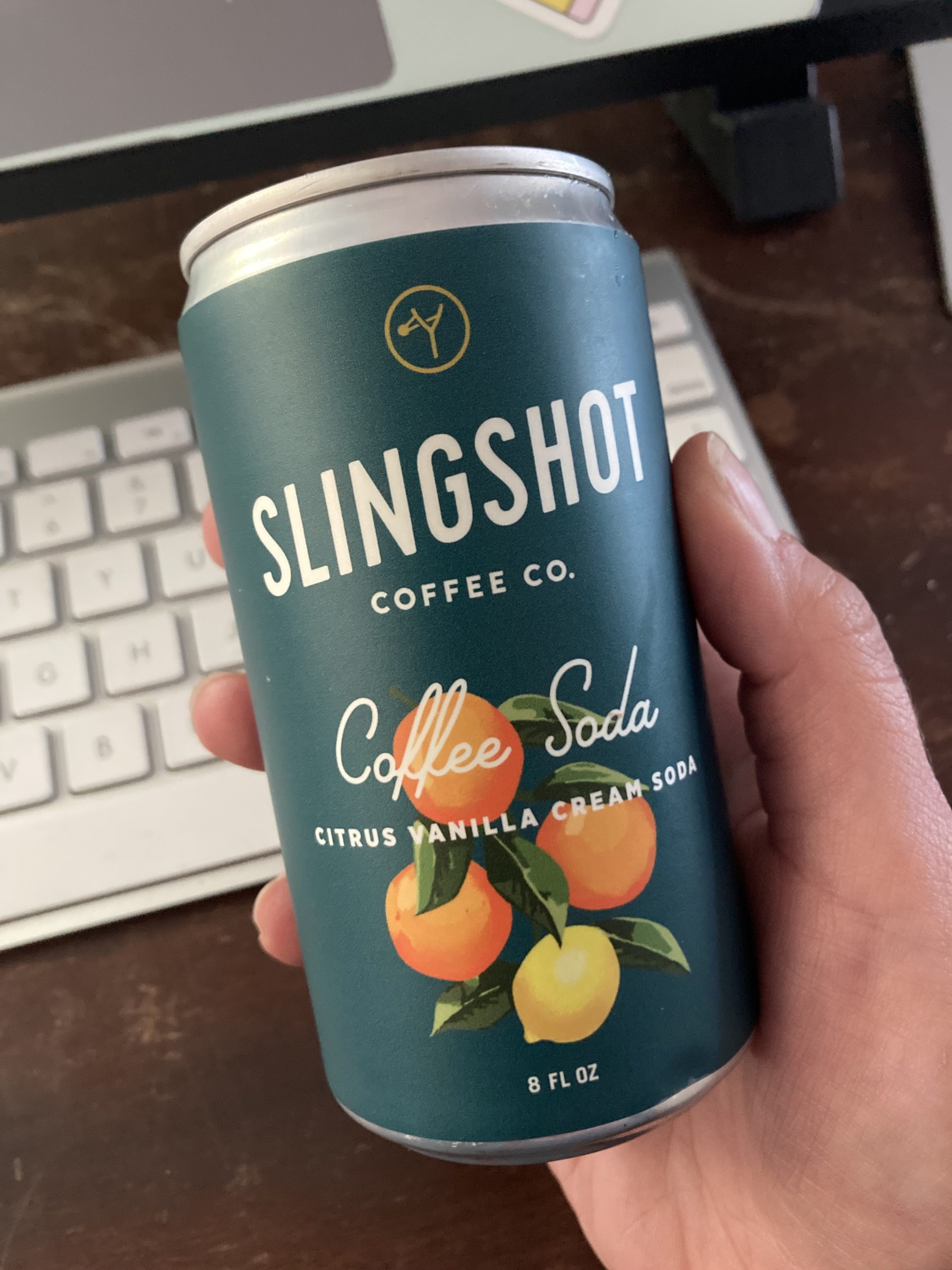
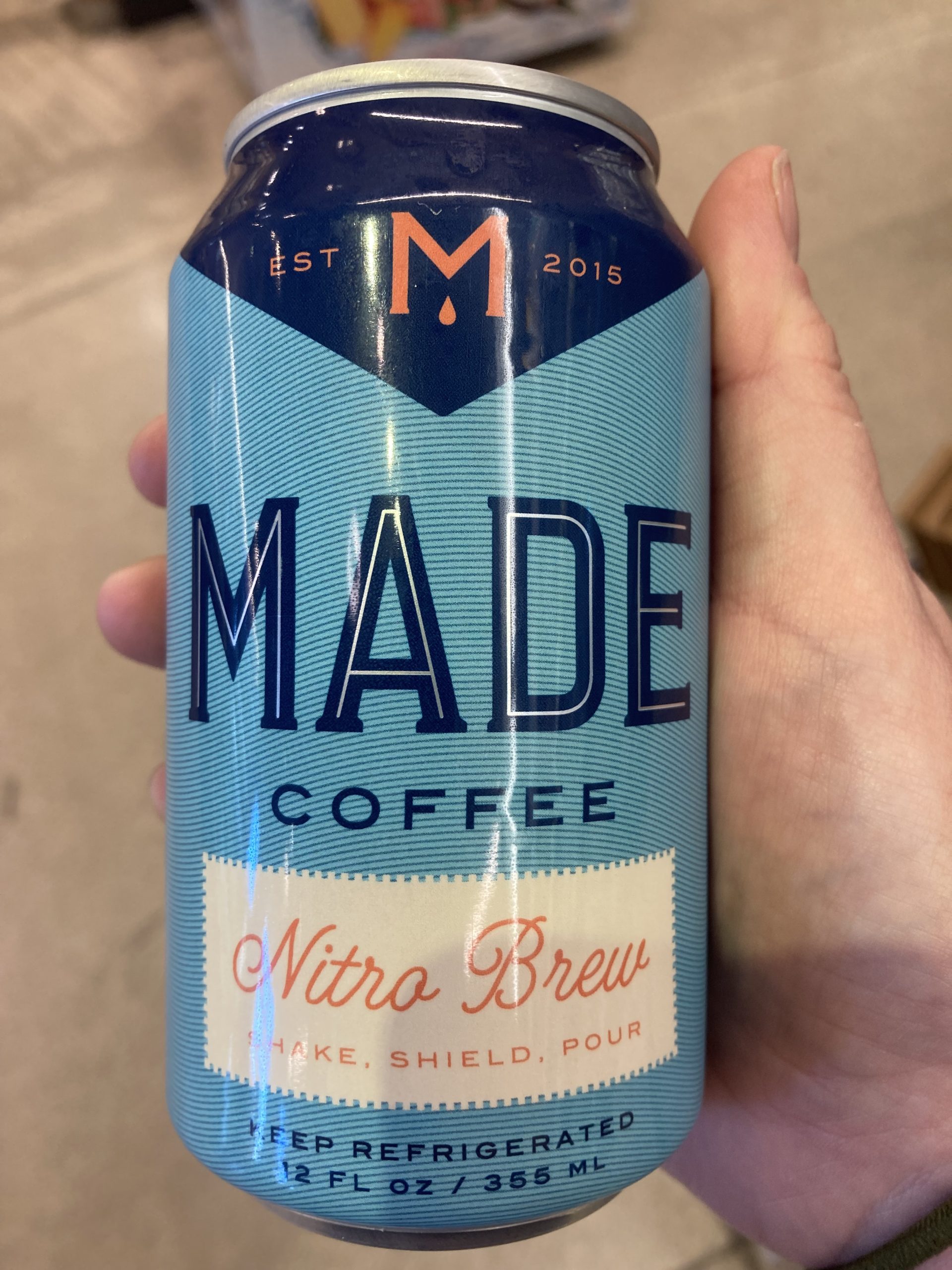
21% of specialty coffee drinkers had ready-to-drink coffee yesterday in 2025, up from 8% in 2020. Canned cold brew is becoming a legitimate option, not just a gas station emergency.


10. The drip coffee maker refuses to die
36% of specialty coffee drinkers used a drip coffee maker yesterday. It’s up from 31% in 2024. Sometimes the old ways are the best ways… or at least the easiest.
And we get it. We’re big fans of our Bonavita 8 C Coffee Maker. It comes in handy on those mornings when we’re hosting a small group or our toddler is in terror-mode.
But here’s the thing: while drip is making a comeback among specialty coffee drinkers, single-cup brewers, like Keurigs, are quietly dying (down to 22% from 26% in 2020). Cold brewing is holding steady at 20%, which honestly feels low considering how easy it is to make with something like our beloved Toddy Cold Brew System.
The real story here? Specialty coffee people still want convenience, they just want it to taste good. A quality drip maker like the Bonavita hits that sweet spot. You get high-quality extraction without standing over a pour-over setup like some kind of coffee monk.
11. Hispanic and Asian-Americans are leading specialty coffee trends
66% of Hispanic-Americans and 62% of Asian-Americans drank specialty coffee in the past week, compared to 54% of Caucasian-Americans. Also, Hispanic-Americans are way more likely to drink frozen blended coffee (25%) and cold brew (26%).
Diversity is literally shaping coffee culture. 👏
12. The West Coast is still the coffee capital

58% of people in the West drank specialty coffee in the past week, compared to 50% in the Midwest. Geography matters, and the West is still setting the trends. Meanwhile, the Northeast clocks in at 55%, and the South sits at 55% as well.
So the Midwest is officially the place where specialty coffee goes to… not quite thrive yet.
As Indiana residents, we feel personally responsible to right this wrong!
What this means for coffee in 2026

If there’s one big takeaway from the 2025 National Coffee Data Trends report, it’s this: specialty coffee has gone mainstream, and it’s not going back.
More people are drinking better coffee. They’re experimenting with flavors, trying different brew methods, and — most importantly — making great coffee at home.
Here’s our standard kit to get started brewing coffee at home:
- A precise scale, like the Hario Pour-Over Scale. This measures the weight of the beans before you grind and later helps you track the amount of water poured into your brew system. For an upgrade option, consider Fellow’s sleek digital coffee scale.
- A burr grinder. These vary significantly in quality. For us, it mattered to have more precision grinding so that we could use the same grinder for, say, French Press (coarser grind size) to AeroPress (finer grind size). That’s why we opted for the Baratza Encore. Here’s our full Baratza Encore review. You can also consider a hand grinder if you want to kick it more manually/old school. For that, we recommend the Timemore Chestnut C2 or the 1Zpresso JX (premium).
- A trusty kettle. An electric gooseneck kettle is preferred to other types of kettles, as the electric allows you to control temps, and the gooseneck design allows you to better control water flow rates. We upgraded our Bonavita Gooseneck Electric Kettle recently to the Fellow Stagg Kettle. We jumped on the opportunity to try a new brand, but we were honestly really happy with the Bonavita (here’s our in-depth review of the Fellow Stagg Kettle). A solid budget option is from COSORI for less than $70.
- A coffee maker. We make pour over with a Kalita Wave everyday (it is easier than it sounds). You can choose a Chemex, a French Press, a different pour over system, heck — even a traditional coffee maker (we love our Bonavita 8C for when we have company, though it might not make sense for the volume of coffee provided with the coffee advent calendar).
- Filters: Depending on your brewer of choice, you may need Kalita Wave Filters, Chemex Filters, or Aeropress Filters. We generally recommend sticking with name brand versions of your filters to match your brewer of choice, but you can find tons of knock offs on Amazon or around town, too. Consider more eco-friendly, stainless steel options like this reusable Aeropress filter for a green(er) twist.


